Source Sand Making Vertical Compound Crusher for Mining
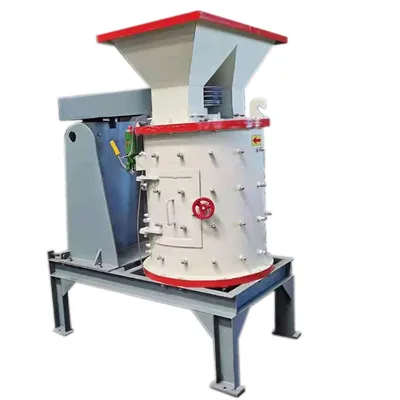
Find 30 sand making vertical compound crusher options from verified suppliers. Compare models like PFL and LZP001, noting capacities up to 85 t/h and 37KW power. Evaluate features such as AC motors and CE ISO certification for your stone and coal crushing needs.
Key considerations
Products List




Comprehensive Sourcing Guide
Sand Making Vertical Compound Crusher Sourcing Guide
Procuring a vertical compound crusher requires a disciplined approach to matching machine capabilities with specific ore characteristics and throughput demands. Buyers must first evaluate the core crushing mechanism, which relies on high-speed impact and attrition to reduce material size efficiently. This type of equipment is particularly suited for processing medium-hard ores, including stone, coal, and pebbles, making it a versatile choice for mining and aggregate operations. Understanding the mechanical principles behind vertical shaft designs helps buyers anticipate wear patterns and maintenance intervals, ensuring that the selected unit aligns with long-term production goals.
The sourcing process also involves navigating a diverse market of manufacturers, primarily concentrated in regions like Henan and Jiangxi in China, where specialized mining machinery clusters exist. Buyers should leverage the availability of customization options to tailor the crusher to their specific inlet and outlet size requirements. Since many suppliers offer video technical support and welcome factory visits, due diligence can be conducted remotely or on-site to verify manufacturing capabilities. This transparency allows procurement teams to assess the quality of construction and the sophistication of the assembly process before committing to a purchase order.
Product Scope and Observed Listing Signals
The current market landscape for vertical compound crushers includes a variety of models designed for different capacities and material types. Observed listings indicate a price range from $100 to $30,000, reflecting significant variation in build quality, motor specifications, and included features. The minimum order quantity is typically one unit, allowing for flexible procurement strategies for both small-scale operations and large industrial plants. Buyers should note that while some listings highlight specific models like the LZP001 or SC Series, others may refer to broader categories such as stone jaw crushers or coal processing equipment, requiring careful distinction to avoid misalignment with actual needs.
Key selling points frequently emphasized by suppliers include ease of operation, high efficiency, and low energy consumption, which are critical for optimizing operational costs. Many manufacturers provide CE and ISO certifications, signaling adherence to international quality and safety standards. Additionally, the availability of video outgoing inspections and 24-hour online service support enhances buyer confidence by providing real-time verification of machine condition and ongoing technical assistance. These signals suggest a mature supply chain where transparency and after-sales support are integral to the value proposition, allowing buyers to mitigate risks associated with remote purchasing.
Technical Specifications to Verify
Verifying technical specifications is paramount to ensuring the crusher meets the required throughput and material handling capabilities. Buyers must confirm the motor type, with AC motors being a common standard, and verify the power rating, such as 37KW, to ensure compatibility with existing electrical infrastructure. The dimension of the machine, often around 1200x1500x1800mm for certain models, impacts installation space and logistics planning. Additionally, the weight of the unit, which can be approximately 2500 KG, influences foundation requirements and transportation costs, making these details essential for accurate site preparation and budgeting.
Inlet and outlet sizes are critical parameters that determine the maximum feed size and the resulting product granularity. While some listings specify inlet sizes like 150x250mm or 300x1300mm, buyers must cross-reference these with their specific material characteristics to avoid bottlenecks or excessive wear. The capacity, ranging from 1-3 t/h for some compact units up to 85 t/h for larger models, must align with production targets. Buyers should also inquire about the variety of materials the machine can process, such as the 200 kinds of materials with compressive strength under 300 MPa, to ensure versatility and longevity in diverse operational environments.
Compliance and Safety Documentation
Compliance with international standards is a non-negotiable aspect of sourcing heavy machinery, particularly for equipment used in mining and aggregate processing. Buyers should request proof of CE and ISO certifications to ensure that the crusher meets essential health, safety, and environmental protection requirements. These certifications not only facilitate smoother customs clearance but also indicate that the manufacturer adheres to rigorous quality management systems. Verifying the validity of these documents with the issuing bodies adds an extra layer of security, ensuring that the machinery is legally compliant in the destination country.
Safety features and operational protocols should be thoroughly documented and reviewed before deployment. Manufacturers often provide detailed operation manuals and safety guidelines that outline proper startup procedures, emergency shutdowns, and maintenance routines. Buyers should ensure that these documents are available in their preferred language and include clear warnings about potential hazards, such as high-speed rotating parts or electrical risks. Additionally, the availability of video technical support can be leveraged to train local operators on safe handling practices, reducing the likelihood of accidents and extending the lifespan of the equipment through proper usage.
Cost Drivers and Commercial Terms
Understanding the factors that influence the total cost of ownership is essential for effective budgeting and negotiation. The price of a vertical compound crusher is driven by several variables, including the motor quality, material thickness, and the level of customization required. Buyers should negotiate on price flexibility, as many suppliers indicate that pricing is negotiable, allowing for potential savings on bulk orders or long-term partnerships. It is also important to consider the packaging details, such as standard wooden boxes or special requirements, which can impact shipping costs and the risk of damage during transit.
Commercial terms, including warranty and supply ability, play a significant role in the overall value proposition. A standard one-year warranty provides a baseline for risk mitigation, covering defects in materials and workmanship. Buyers should clarify the scope of the warranty and the process for claiming repairs or replacements. Furthermore, the supplier’s supply ability, such as 250 sets per month, indicates their production capacity and reliability. Understanding these terms helps buyers assess the supplier’s stability and their ability to meet delivery schedules, ensuring that procurement timelines are not disrupted by production bottlenecks.
Supplier Qualification and Quality Control
Evaluating supplier qualifications is crucial for establishing a reliable partnership and ensuring consistent product quality. Buyers should prioritize suppliers who offer factory visits, as this provides an opportunity to inspect manufacturing facilities, quality control processes, and workforce expertise firsthand. The presence of video outgoing inspections is another positive indicator, demonstrating the supplier’s confidence in their product and their commitment to transparency. These measures allow buyers to verify that the crusher meets the specified technical requirements before it leaves the factory, reducing the risk of receiving non-conforming goods.
Quality control extends beyond the initial inspection to include the supplier’s after-sales service capabilities. Buyers should assess the responsiveness and technical proficiency of the support team, particularly given the 24-hour online service availability. A robust after-sales network ensures that any operational issues can be addressed promptly, minimizing downtime and maintaining production efficiency. Additionally, suppliers who offer customization options and flexible packaging solutions demonstrate a customer-centric approach, which is often indicative of a higher level of professionalism and reliability in the long term.
Long-Term Procurement Checks
Establishing long-term procurement checks ensures that the relationship with the supplier remains productive and mutually beneficial over time. Buyers should implement regular performance reviews to assess the crusher’s operational efficiency, maintenance needs, and overall reliability. Tracking key performance indicators, such as throughput consistency and energy consumption, helps identify any deviations from expected performance that may require technical adjustments or component replacements. This proactive approach allows for timely interventions, preventing minor issues from escalating into major failures that could disrupt production schedules.
Continuous communication with the supplier is vital for addressing evolving operational needs and staying informed about technological advancements. Buyers should maintain open lines of communication to discuss potential upgrades, spare parts availability, and emerging industry trends. Leveraging the supplier’s expertise through video technical support can also facilitate ongoing training and optimization of the crushing process. By fostering a collaborative partnership, buyers can ensure that their vertical compound crusher remains a valuable asset, delivering consistent performance and supporting long-term business growth in the mining and aggregate sectors.
FAQs
What is the capacity range for the vertical compound crusher?
The capacity ranges from 10 to 85 tons per hour depending on the specific model selected. This range allows for flexible production scaling in mining applications. Operators can choose models like PFL800 or PFL-1500 to match their throughput requirements efficiently.
Can the vertical compound crusher handle different types of materials?
Yes, it processes over 200 kinds of materials with compressive strength under 300 MPa. This includes stone, coal, and pebbles. The machine is designed for primary stone crushing and handling various medium-hard ores effectively in diverse mining environments.
What certifications does the vertical compound crusher hold?
The equipment holds CE and ISO certifications. These standards ensure compliance with international safety and quality requirements. Buyers can rely on these documented credentials for regulatory approval and operational safety in global mining projects and industrial crushing applications.
How is the vertical compound crusher packaged for shipping?
It uses standard export packing or wooden boxes as requested. The main crusher is secured in a wooden box to prevent damage during transit. This packaging method ensures safe delivery to various locations while allowing for special requirements if needed.
What after-sales support is provided for the vertical compound crusher?
Video technical support is provided for ongoing assistance. This service helps operators troubleshoot issues and maintain optimal performance. The supplier welcomes factory visits and offers 24-hour online service to ensure continuous operational support and quick resolution of technical queries.
Is customization available for the vertical compound crusher?
Customization is available to meet specific project needs. Buyers can request specific colors and packaging configurations. The manufacturer welcomes factory visits to discuss tailored solutions, ensuring the equipment aligns perfectly with unique operational requirements and site-specific conditions.